


Pride and Prejudice · 1813
Pemberley, Longbourn and Netherfield
Every house, town and county in Pride and Prejudice
Pemberley is Mr Darcy’s great estate in Derbyshire, and the place where Elizabeth Bennet changes her mind about him. With Longbourn, the Bennets’ home in Hertfordshire, and Netherfield, the house Mr Bingley rents nearby, it is one of the three houses at the heart of Pride and Prejudice. Here is every place in the novel, in Austen’s own words.
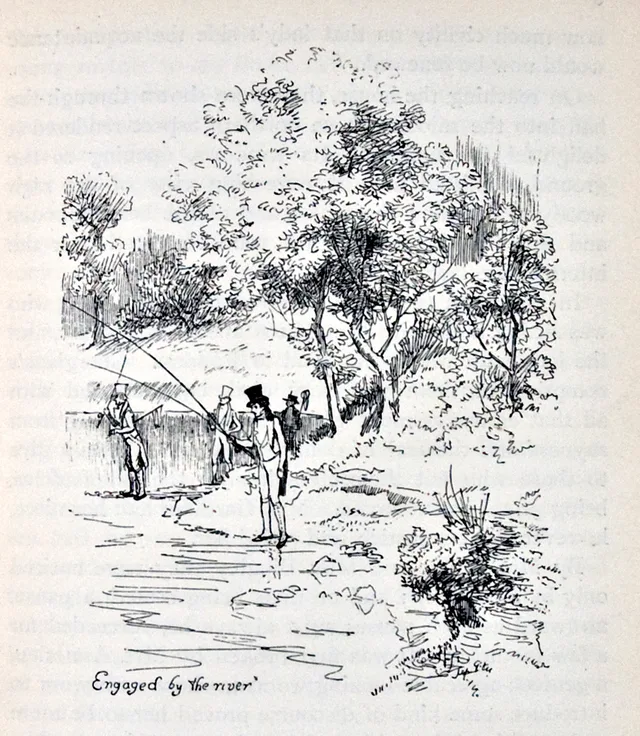
The places in Pride and Prejudice at a glance
| Place | Where | Whose | Key scenes |
|---|---|---|---|
| Pemberley | Derbyshire, within five miles of Lambton | Mr Darcy | Elizabeth’s visit, chapters 43–45 |
| Longbourn | Hertfordshire, a mile from Meryton | Mr Bennet (entailed on Mr Collins) | Home of the Bennets throughout |
| Netherfield Park | Hertfordshire, three miles from Longbourn | Rented by Mr Bingley | Jane’s illness, the ball, chapters 7–12 and 18 |
| Meryton | Hertfordshire | The market town | The assembly, the militia, Wickham |
| Rosings Park and Hunsford | Kent, nearly fifty miles from Longbourn | Lady Catherine; Mr Collins | The first proposal, chapters 28–38 |
| Gracechurch Street | London | Mr and Mrs Gardiner | Jane’s stay; the search for Lydia |
Pemberley, Derbyshire
Pemberley is the estate that pays for Mr Darcy’s ten thousand a year, and Austen describes it more fully than any other place she ever wrote. Elizabeth sees it in chapter 43, touring Derbyshire with her aunt and uncle Gardiner, having been assured the family are away. The park is “very large”, ten miles round, and the house appears across a valley at the end of a long drive through woods:
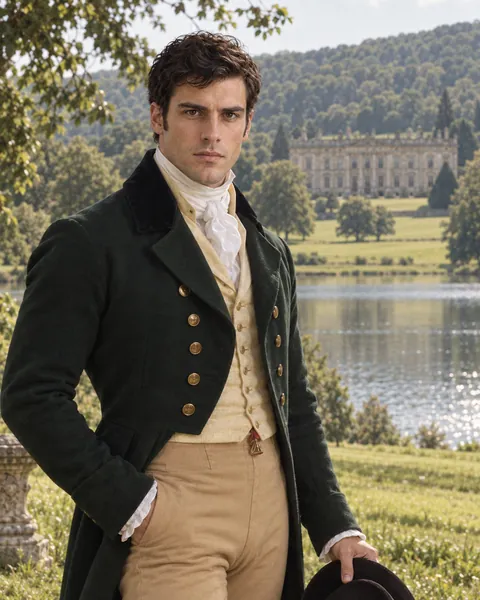
“It was a large, handsome stone building, standing well on rising ground, and backed by a ridge of high woody hills; and in front, a stream of some natural importance was swelled into greater, but without any artificial appearance.”
What matters is taste as much as size. Elizabeth “had never seen a place for which nature had done more, or where natural beauty had been so little counteracted by an awkward taste”. Inside, the rooms are elegant rather than showy, “neither gaudy nor uselessly fine”, unlike Rosings. The house tells her something about its owner before she meets him, and the housekeeper, Mrs Reynolds, tells her the rest: he is “the best landlord, and the best master”.
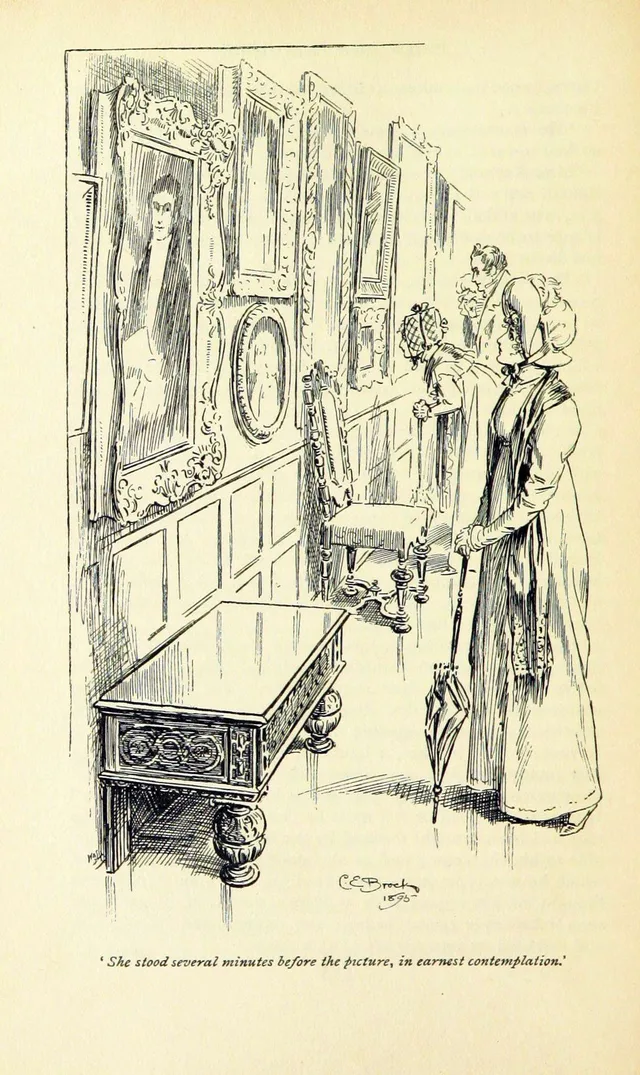
Her famous thought, “to be mistress of Pemberley might be something!”, is half a joke at her own expense. She has just refused the man, and the novel is careful to show that she loves Darcy for what she learns at Pemberley about his character, not for the house. Darcy then appears, unexpectedly early, and his courtesy to the Gardiners completes the change. For the whole scene, see our guide to Mr Darcy.
Is Pemberley a real place?
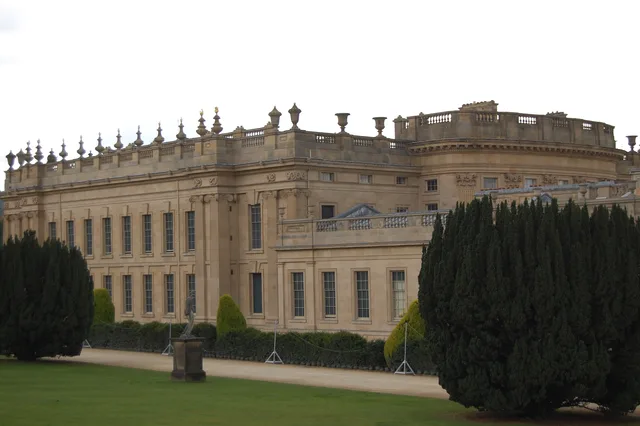
No. Pemberley is fictional, and Austen never gives it a real model. Chatsworth House in Derbyshire is often suggested, because it is the county’s greatest house and stands by a river among wooded hills. But in the novel the Gardiners plan to see “Chatsworth, Dovedale, or the Peak” on the same tour, so in Austen’s world Chatsworth and Pemberley are two different places.
Longbourn, Hertfordshire
Longbourn is both a village and the Bennets’ house in it, “only one mile from Meryton”. It is a modest gentleman’s estate worth two thousand a year, and it is entailed: on Mr Bennet’s death it must pass to a male heir, his cousin Mr Collins, which is why the five Bennet sisters need husbands. Austen gives it a library for Mr Bennet to hide in, a breakfast room and a paddock, and, according to Lady Catherine, “a prettyish kind of a little wilderness on one side of your lawn”, where she takes Elizabeth to issue her ultimatum in chapter 56.
Netherfield Park and the Netherfield ball
“Netherfield Park is let at last,” announces Mrs Bennet in the first chapter, to a young man of large fortune who will “take possession before Michaelmas”. Netherfield is a large house three miles from Longbourn, close enough for Elizabeth to walk there through the mud in chapter 7 when Jane falls ill. Bingley only rents it, which matters: he can leave on a whim, and does.
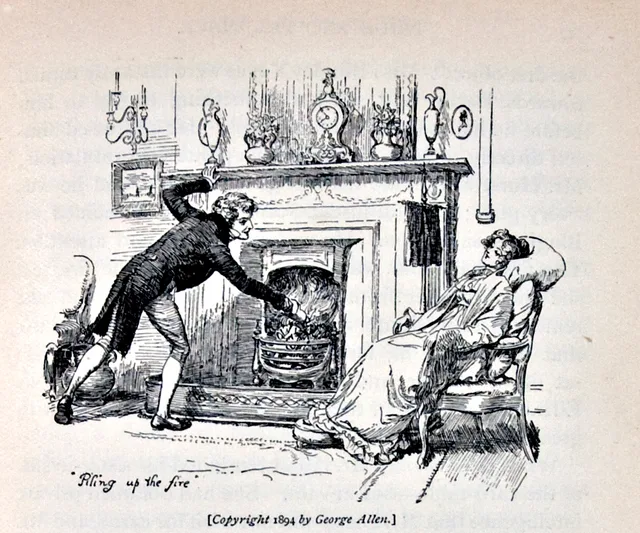
The Netherfield ball in chapter 18 is the social centre of the first volume. Bingley promises it in chapter 11, as soon as his cook “has made white soup enough”. Elizabeth dances with Darcy and quarrels about Wickham; Mr Collins introduces himself to Darcy uninvited; Mary sings too long; Mrs Bennet talks loudly about Jane’s prospects. Darcy watches it all and decides to save his friend from the family.

Meryton and Lucas Lodge
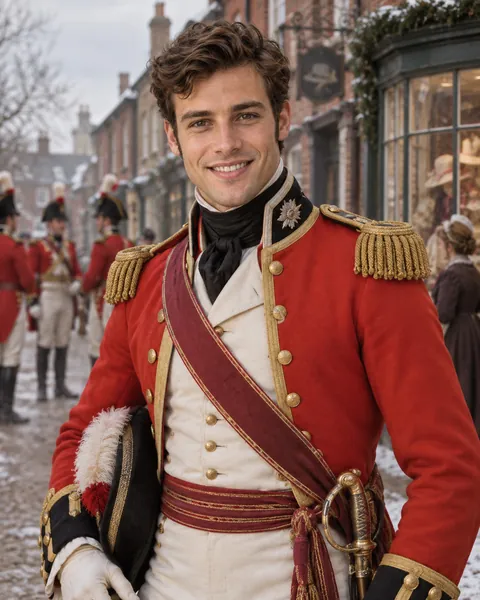
Meryton is the market town where the Bennets shop, call on their aunt Mrs Philips and attend the public assembly in chapter 3. In chapter 7 a militia regiment arrives for the winter, and “Meryton was the head-quarters”, which explains Kitty and Lydia’s daily walks into town. It is in Meryton that the sisters first meet Mr Wickham. Lucas Lodge, the home of Sir William Lucas and his daughter Charlotte, stands “about a mile from Meryton”.
Rosings Park and Hunsford, Kent
Rosings Park is Lady Catherine de Bourgh’s house in Kent, “a handsome modern building, well situated on rising ground”, and Mr Collins never tires of its cost: “the chimney-piece alone had cost eight hundred pounds”. Hunsford parsonage, where he lives with Charlotte after their marriage, stands so close that “Rosings Park was their boundary on one side”. Darcy reminds Elizabeth that it is “nearly fifty miles” from her family; she thinks it a great distance, he a short one, “fifty miles of good road”.
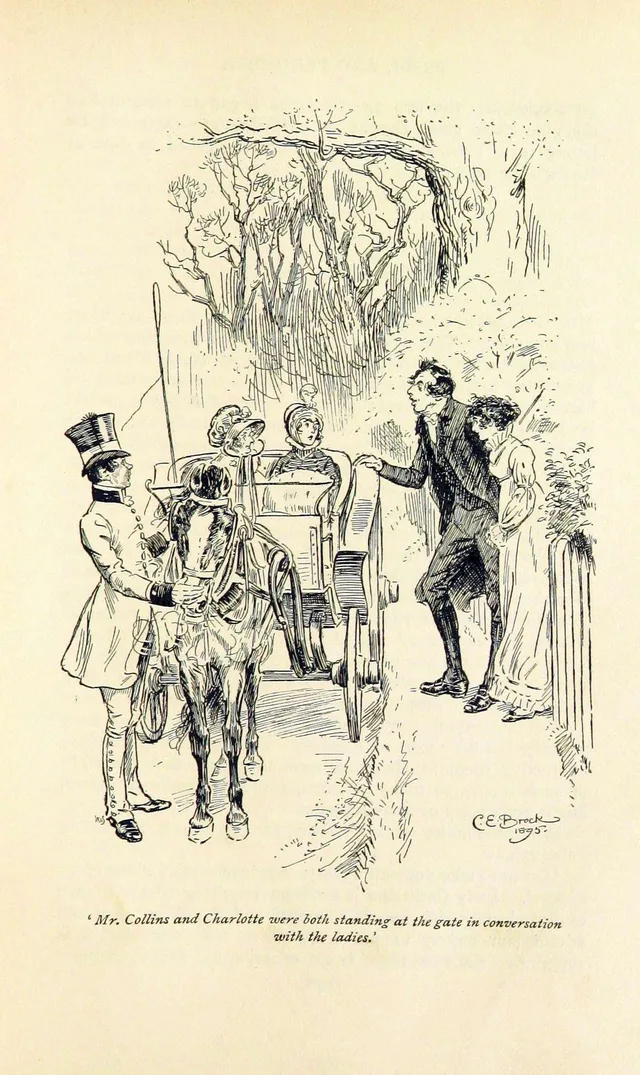
In the parsonage Darcy makes his first proposal (chapter 34); in the grove beside Rosings park he gives Elizabeth his letter the next morning (chapter 35).
London, Brighton and Lambton
- Gracechurch Street, London. Home of Mr Gardiner, Mrs Bennet’s brother, “in a respectable line of trade”, “within view of his own warehouses”. Bingley’s sisters sneer at the address; Jane stays there for the winter, and Elizabeth passes through on her way to Kent.
- Brighton. The fashionable seaside town where the militia camp for the summer. Lydia goes as the guest of the colonel’s wife, and elopes with Wickham from there.
- Lambton, Derbyshire. The small town where Mrs Gardiner grew up, within five miles of Pemberley. The Gardiners stay at its inn, where Darcy brings his sister to call and where Elizabeth reads Jane’s letters about Lydia.
For how these places carry the plot from start to finish, read our Pride and Prejudice summary.

Four questions
Which Pride and Prejudice character are you?
Four questions from the novel. Find your match, then sit for their portrait.
- The same quiz as in the app
- Every result has its portrait waiting
- Share it and dare a friend to find their match

Question 1 of 4
At a ball, you…
- Dance every single dance
- Stand apart and judge the company
- Make sure the grandest person there knows you
- Look after whoever has been left out
- Hope one particular person notices you
Your questions
Questions about the places
Anything else? Write to us at [email protected].
What is Pemberley?
Mr Darcy’s estate in Derbyshire in Pride and Prejudice: a large stone house on rising ground below wooded hills, in a park ten miles round. Elizabeth Bennet visits it in chapter 43.
Is Pemberley a real place?
No, it is fictional. Chatsworth House in Derbyshire is often suggested as a model, but Austen has the Gardiners plan to visit Chatsworth separately on the same tour.
Where is Longbourn in Pride and Prejudice?
In Hertfordshire, one mile from the market town of Meryton and three miles from Netherfield. It is both the Bennets’ house and their village.
Who owns Netherfield Park?
The novel never names the owner. Mr Bingley rents it at the start of the story, which is why he can leave so easily, and gives it up about a year after his marriage to Jane.
What happens at the Netherfield ball?
Elizabeth dances with Darcy and argues about Wickham, her family embarrass themselves, and Darcy decides Jane does not love Bingley. Mr Collins proposes to Elizabeth the next morning (chapters 18–19).
Where is Rosings Park?
In Kent, nearly fifty miles from Longbourn. It is Lady Catherine de Bourgh’s home, next to Hunsford parsonage where Mr Collins and Charlotte live.
Keep reading
More from the novels
-
 Mr Darcy
Fitzwilliam Darcy of Pemberley, the hero of Pride and Prejudice
-
 Pride and Prejudice summary
The whole story, in a paragraph and then chapter by chapter
-
 Elizabeth Bennet
The quick, laughing heroine of Pride and Prejudice
-
 The Bennet sisters
Jane, Elizabeth, Mary, Kitty and Lydia, in order
-
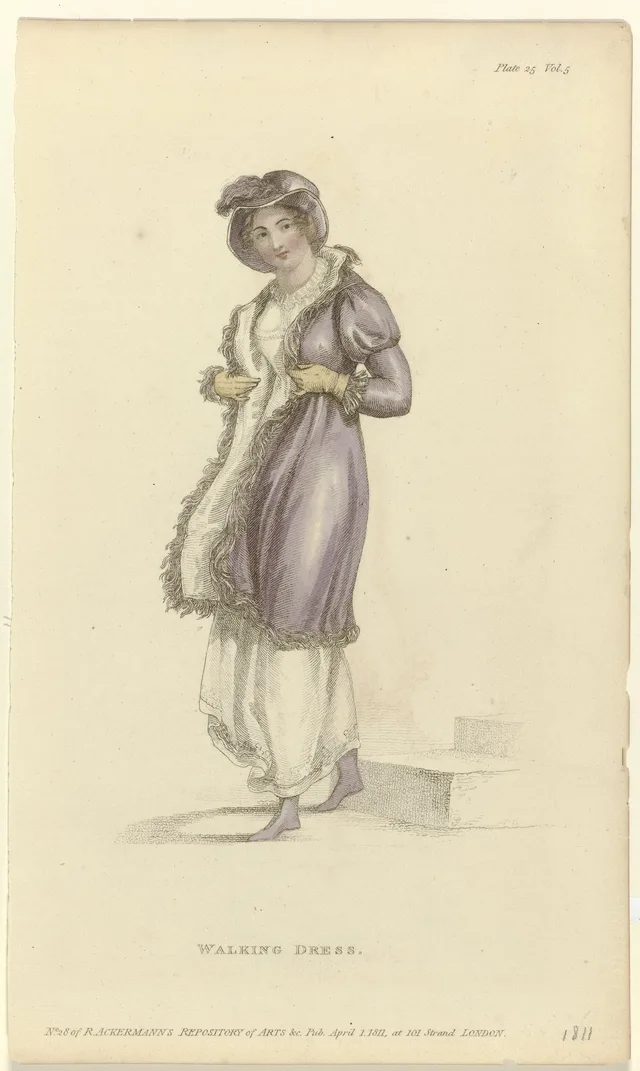 Regency era fashion
What women and men wore in Jane Austen’s England
-
Pride and Prejudice characters
Who’s who, from Elizabeth Bennet to Mr Collins




).jpg)


To be mistress of Pemberley might be something!
Sit for your portrait at Pemberley, Netherfield or Rosings in Jane Austen Photo Studio for iPhone. Your first three portraits are free.
 Download on theApp Store

On a computer? Scan with your iPhone camera.