
Six novels · 1811–1817
The best Jane Austen book
All six novels, ranked, with the order they were published
The best Jane Austen book for most readers is Pride and Prejudice, and it is the right one to read first. But each of her six novels is somebody’s favourite for good reason, so here they are ranked, with what makes each one worth reading, followed by the order they were published and how long each takes.
-
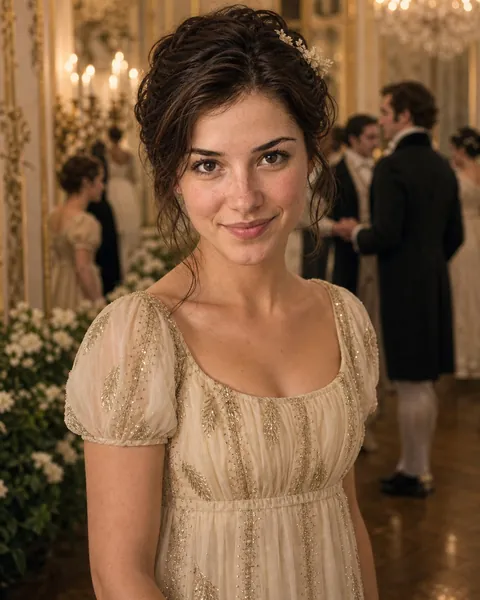 Elizabeth Bennet
The Netherfield Ball
-
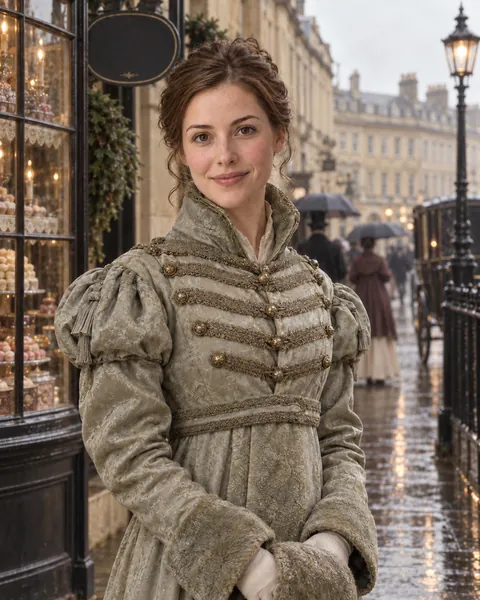 Anne Elliot
Milsom Street, Bath
-
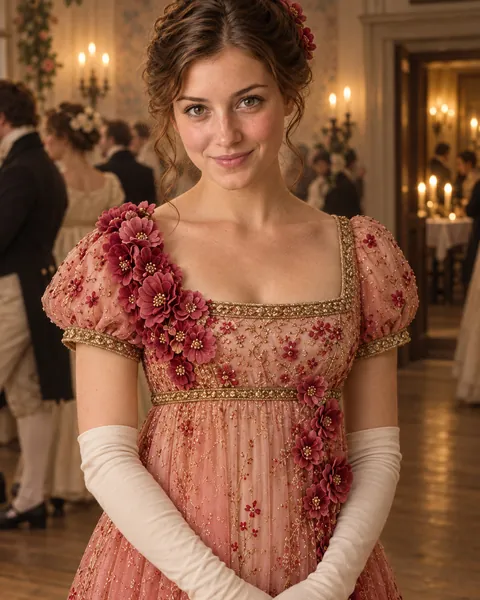 Emma Woodhouse
The Ball at the Crown
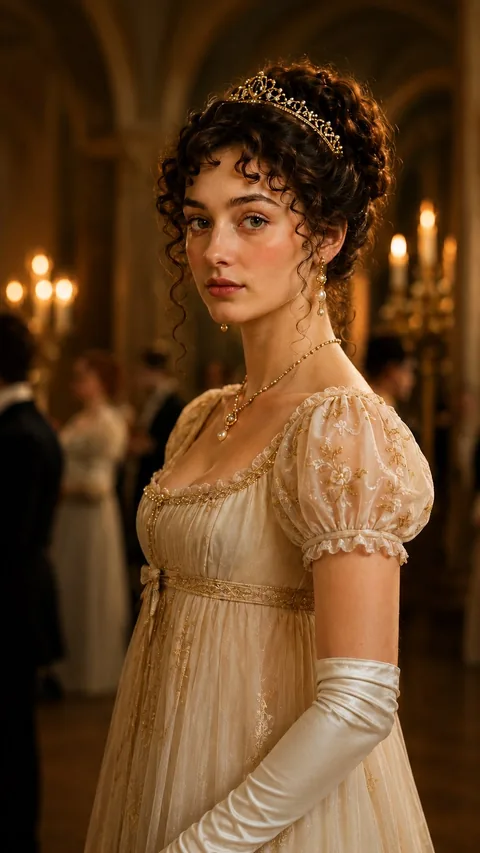
The heroines of the top three: Elizabeth, Anne and Emma, as painted in the Jane Austen Photo Studio app.
Jane Austen’s novels, ranked
Ranked by how rewarding each is to read today and how well it introduces Austen, weighing the critical consensus. Your own order may well differ: that is half the fun.
- Pride and Prejudice (1813). The perfect first Austen: funny, fast and romantic.
- Persuasion (1817). Her most moving novel, about second chances.
- Emma (1815). Her most brilliant construction, with her most flawed heroine.
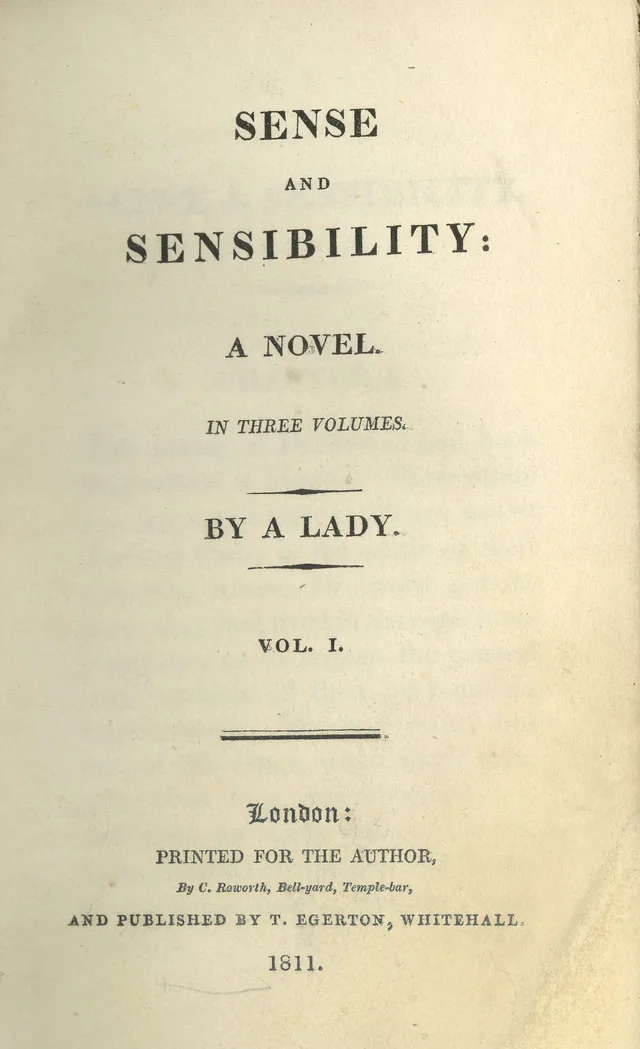
- Sense and Sensibility (1811). Two sisters, two ways of loving, real heartbreak.
- Northanger Abbey (1817). The shortest and funniest, a parody of Gothic novels.
- Mansfield Park (1814). The most serious and the most debated.
Number 1
Pride and Prejudice: the best place to start
“It is a truth universally acknowledged, that a single man in possession of a good fortune, must be in want of a wife.”
Elizabeth Bennet, a quick-witted gentleman’s daughter with no fortune, misjudges the proud Mr Darcy, refuses him, and discovers she was wrong. It has the sharpest dialogue in Austen, the best comic characters (Mrs Bennet, Mr Collins, Lady Catherine) and the most satisfying romance. Austen herself feared it was “rather too light & bright & sparkling”; readers have disagreed for two centuries.
Read it if you are new to Austen, or want to fall in love with her again. Start with our Pride and Prejudice summary and character guide.
Number 2
Persuasion: the most moving
Eight years before the story opens, Anne Elliot was persuaded to break her engagement to a penniless naval officer, Frederick Wentworth. Now he is back, a rich captain, and she is twenty-seven and overlooked by her snobbish family. Written in Austen’s last full year of health, it is quieter and more autumnal than her other novels, with the best love letter she ever wrote.
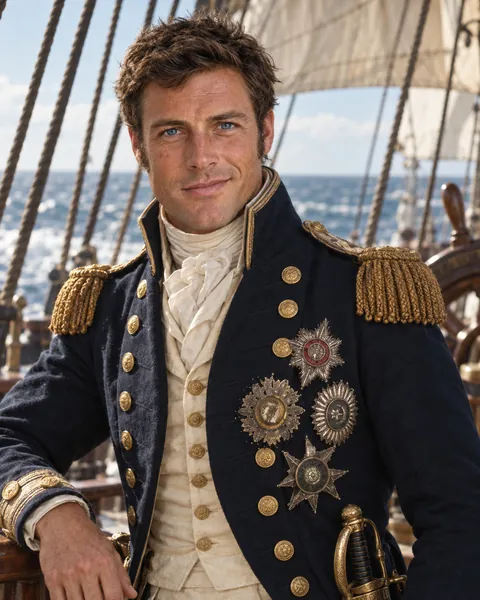
“You pierce my soul. I am half agony, half hope.”
Read it if you love a second-chance romance, or want Austen at her most tender. Much of it is set in Bath.
Number 3
Emma: the cleverest
“Emma Woodhouse, handsome, clever, and rich, with a comfortable home and happy disposition, seemed to unite some of the best blessings of existence.” She is also a meddler, sure she can arrange everyone’s marriages in the village of Highbury, and wrong about almost all of them, including her own heart. Austen called her “a heroine whom no one but myself will much like”. The plot is a masterpiece of misdirection that rewards a second reading.
Its great moment of conscience comes when Mr Knightley rebukes Emma for mocking poor Miss Bates: “It was badly done, indeed!” Its declaration of love is one of Austen’s best: “If I loved you less, I might be able to talk about it more.”
Read it if you enjoy comedy of character and a heroine who has to grow up. It is long (about 160,000 words), so give it time.
Number 4
Sense and Sensibility: the sisters
Austen’s first published novel follows the Dashwood sisters after their father’s death leaves them poor: sensible, self-controlled Elinor and passionate Marianne, who declares, “The more I know of the world, the more am I convinced that I shall never see a man whom I can really love.” Both are badly hurt by love before they find their footing. It is more uneven than her later books, but its heartbreak is real and its villains are among her best.
Read it if you have read Pride and Prejudice and want more of the same world with a darker edge.
Number 5
Northanger Abbey: the funniest
“No one who had ever seen Catherine Morland in her infancy would have supposed her born to be an heroine.” Austen’s earliest finished novel, written in the late 1790s but published only after her death, sends a young reader of Gothic novels to Bath and then to a real abbey, where her imagination runs wild. It is short, light and openly funny, with a hero, Henry Tilney, who teases the reader as much as the heroine, and a famous defence of the novel itself.
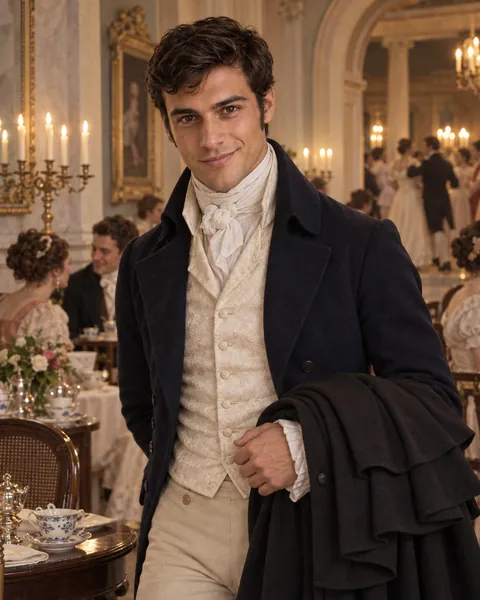
“The person, be it gentleman or lady, who has not pleasure in a good novel, must be intolerably stupid.”
Read it if you want a quick, funny introduction to Austen, or to Bath.
Number 6
Mansfield Park: the most challenging
Fanny Price is sent as a child to live with her rich relations, the Bertrams, at Mansfield Park, where she is treated as a poor dependant. Quiet, principled and in love with her cousin Edmund, she holds out against the dazzling Crawford siblings when everyone else is seduced by them. It is Austen’s most serious novel, about conscience and how to live, and its heroine divides readers more than any other.
Read it if you already love Austen and want to see her at her most ambitious. It ends with a famous change of tone: “Let other pens dwell on guilt and misery.”
Jane Austen’s books in order
In the order they were published. Austen wrote them in a different order: the first drafts of Sense and Sensibility, Pride and Prejudice and Northanger Abbey all date from the 1790s, before she was 25, and were revised later; Mansfield Park, Emma and Persuasion were written from scratch at Chawton.
| Published | Novel | Heroine | Words | Setting |
|---|---|---|---|---|
| 1811 | Sense and Sensibility | Elinor and Marianne Dashwood | about 120,000 | Sussex, Devon, London |
| 1813 | Pride and Prejudice | Elizabeth Bennet | about 122,000 | Hertfordshire, Kent, Derbyshire |
| 1814 | Mansfield Park | Fanny Price | about 160,000 | Northamptonshire, Portsmouth |
| 1815 (dated 1816) | Emma | Emma Woodhouse | about 160,000 | Surrey |
| 1817 (dated 1818) | Northanger Abbey | Catherine Morland | about 77,000 | Bath, Gloucestershire |
| 1817 (dated 1818) | Persuasion | Anne Elliot | about 83,000 | Somerset, Lyme, Bath |
Beyond the six, there are the unfinished novels The Watsons and Sanditon, the short novel in letters Lady Susan, and the comic juvenilia she wrote as a teenager. Read them after the six. Her life story is in our Jane Austen biography.
Which Jane Austen novel is yours?
Every novel has its own shelf in the Jane Austen Photo Studio app, with its heroine and hero ready to sit for. These are free:
-
Elizabeth Bennet
The Netherfield Ball
Sit as Elizabeth Bennet
-
Anne Elliot
Milsom Street, Bath
Sit as Anne Elliot
-
Emma Woodhouse
The Ball at the Crown
Sit as Emma Woodhouse
-
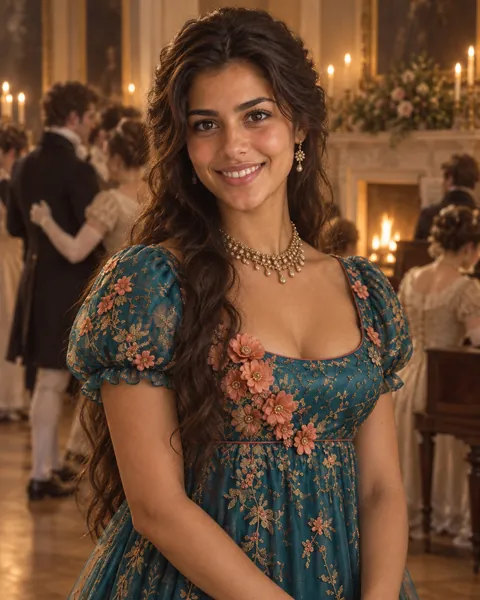 Marianne Dashwood
A Dance at Barton Park
Sit as Marianne Dashwood
-
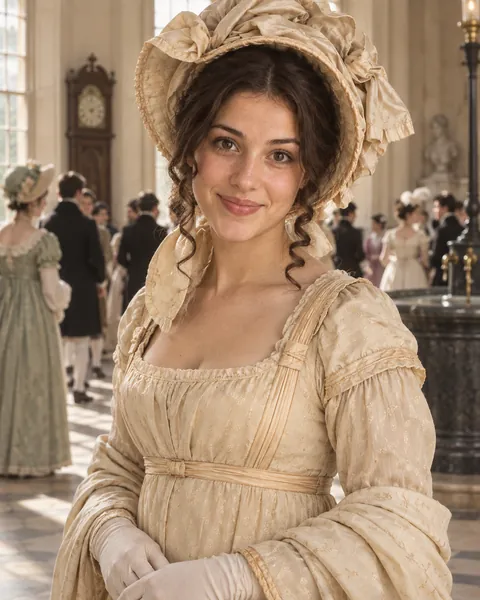 Catherine Morland
The Pump Room
Sit as Catherine Morland
-
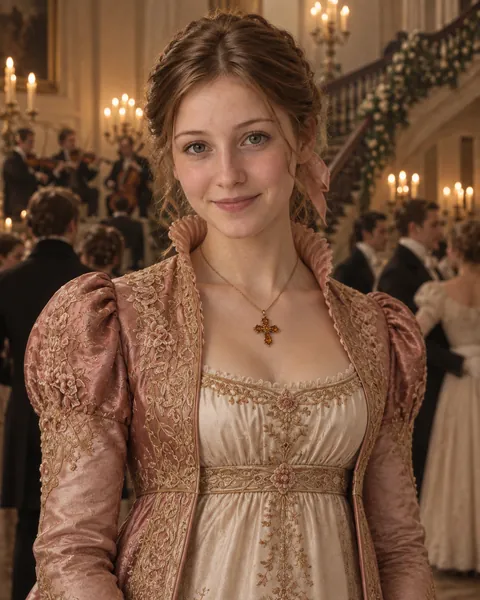 Fanny Price
Her First Ball
Sit as Fanny Price
-
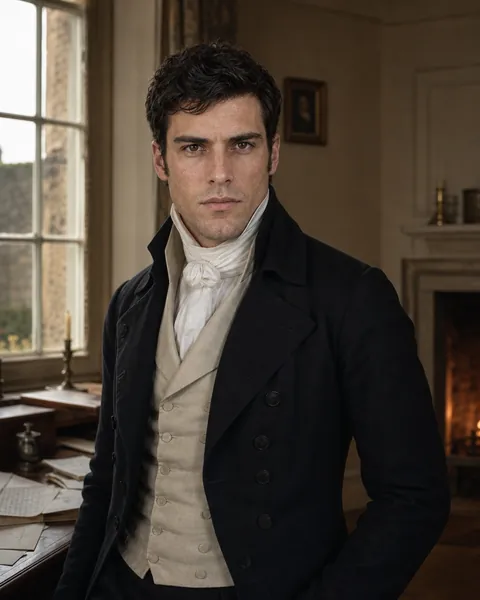 Mr Darcy
The Hunsford Proposal
Sit as Mr Darcy
-
Captain Wentworth
Captain of the Laconia
Sit as Captain Wentworth
-
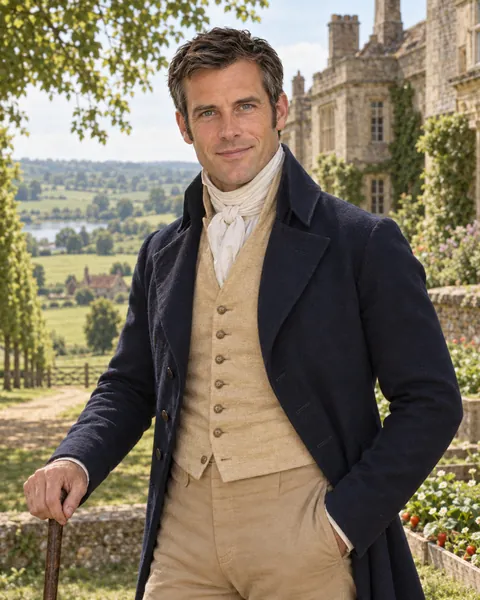 Mr Knightley
Donwell Abbey
Sit as Mr Knightley
-
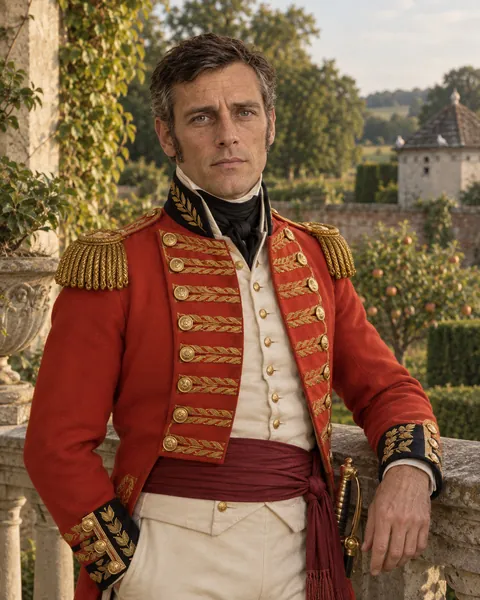 Colonel Brandon
Home from the Indies
Sit as Colonel Brandon
-
Henry Tilney
An Expert in Muslin
Sit as Henry Tilney
-
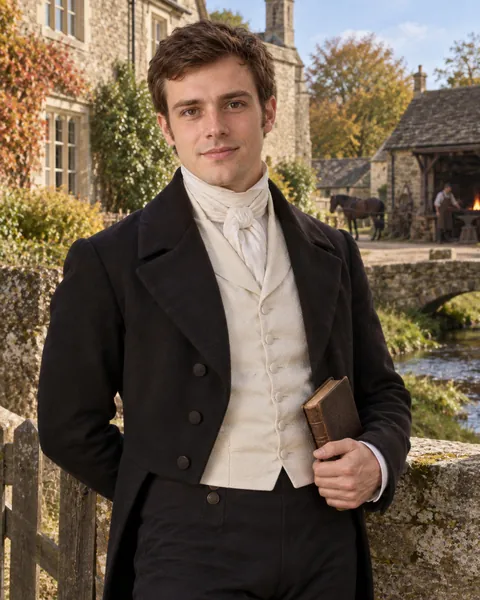 Edmund Bertram
Thornton Lacey
Sit as Edmund Bertram
Not sure which novel is yours? Take the quiz on our home page, then sit for your match.
Your questions
Questions about her novels
Anything else? Write to us at [email protected].
What is the best Jane Austen book?
Pride and Prejudice is the most widely loved and the best introduction. Many readers who know all six would name Persuasion or Emma as her finest.
Which Jane Austen book should I read first?
Pride and Prejudice. If you would rather start with something short and funny, try Northanger Abbey.
What order should I read Jane Austen’s books in?
Publication order works well: Sense and Sensibility (1811), Pride and Prejudice (1813), Mansfield Park (1814), Emma (1815), then Northanger Abbey and Persuasion (both 1817). Or start with Pride and Prejudice and follow your favourites.
How many books did Jane Austen write?
Six complete novels, plus the short novel Lady Susan, two unfinished novels (The Watsons and Sanditon) and her teenage writings.
Which is Jane Austen’s longest novel?
Emma and Mansfield Park, at about 160,000 words each. Northanger Abbey is the shortest, at about 77,000.
Which Jane Austen novel was her favourite?
She never ranked them, but she called Pride and Prejudice “my own darling Child” when the first copies arrived.
Keep reading
More from the novels
-
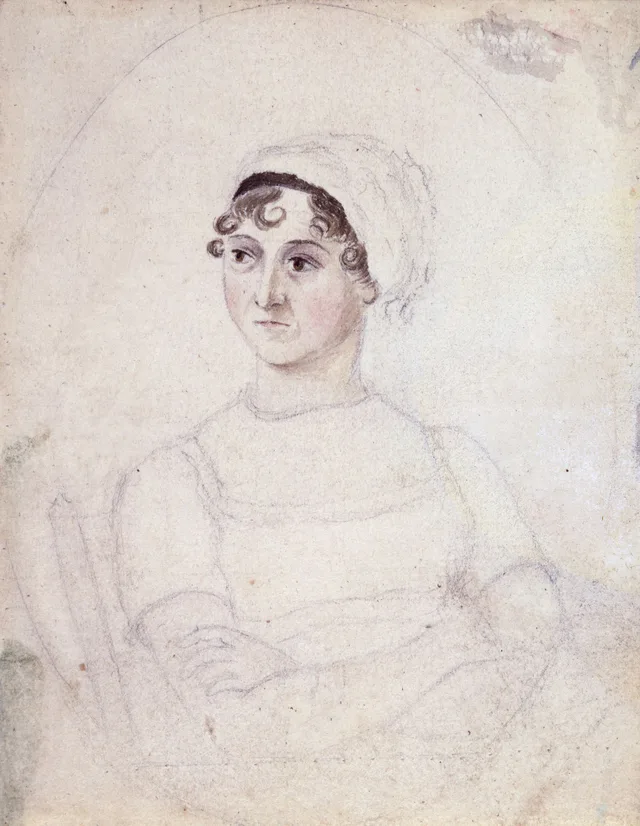 Jane Austen biography
Her life, her family, her six novels and her birthday
-
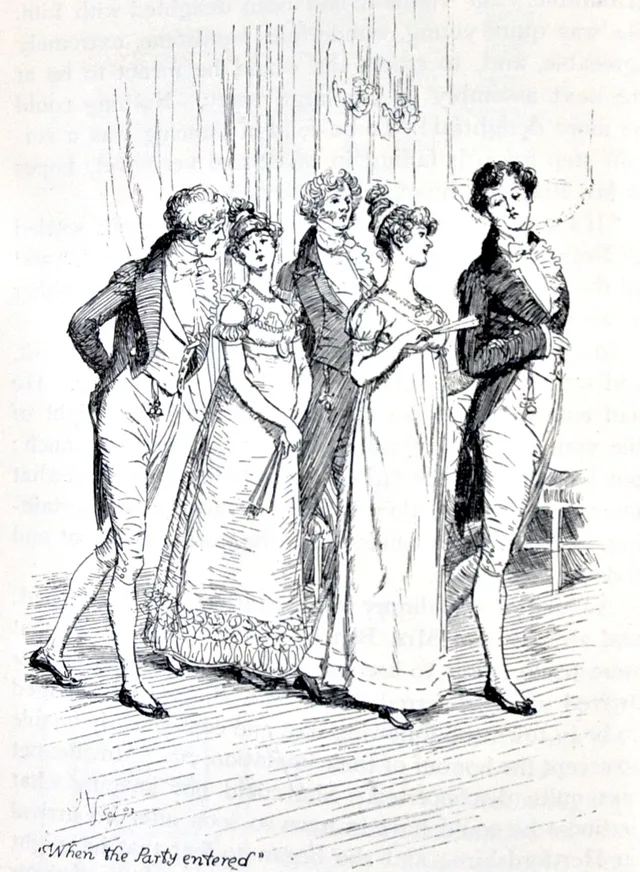 Pride and Prejudice summary
The whole story, in a paragraph and then chapter by chapter
-
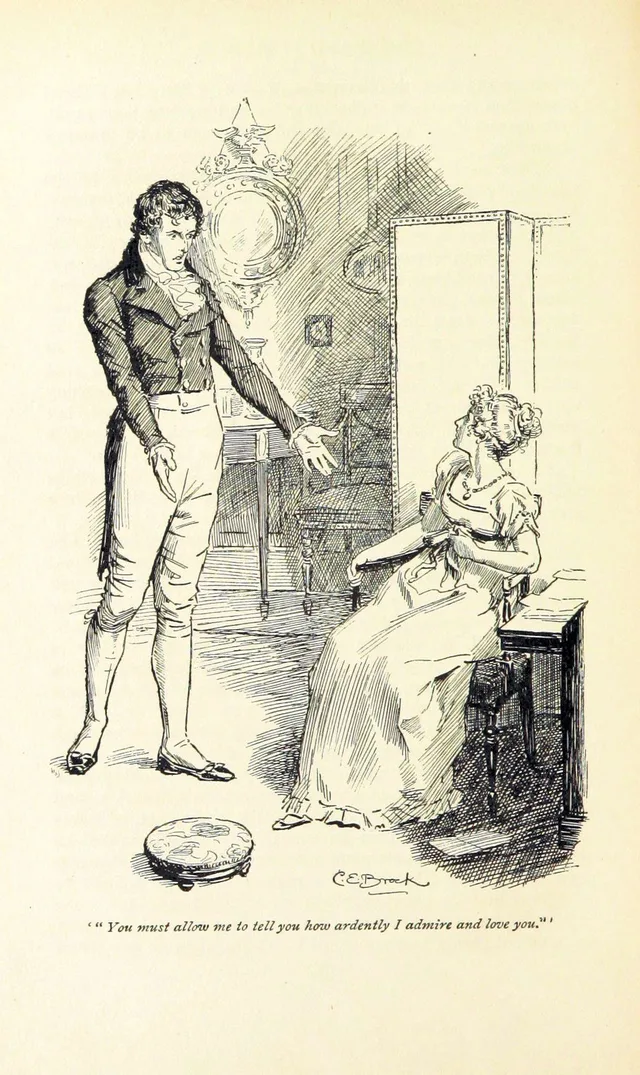 Pride and Prejudice quotes
The best lines, word for word, with the chapter and the scene
-
Jane Austen gifts
Seventeen ideas for the Austen reader in your life
-
Mr Darcy
Fitzwilliam Darcy of Pemberley, the hero of Pride and Prejudice
-
Elizabeth Bennet
The quick, laughing heroine of Pride and Prejudice

The person, be it gentleman or lady, who has not pleasure in a good novel, must be intolerably stupid.
Sit for your portrait as any heroine or hero from all six novels in Jane Austen Photo Studio for iPhone. Your first three portraits are free.
 Download on theApp Store

On a computer? Scan with your iPhone camera.