
1775 – 1817
Jane Austen biography
Her life, her family, her six novels and her birthday
A Jane Austen biography in brief: born on 16 December 1775 at Steventon in Hampshire, the seventh of eight children of a country clergyman, she wrote six of the best-loved novels in English, published them anonymously “by a Lady”, and died in Winchester in 1817, aged 41, just as readers were discovering her name.
Jane Austen at a glance
- Born
- 16 December 1775, Steventon rectory, Hampshire
- Died
- 18 July 1817, Winchester, aged 41
- Buried
- Winchester Cathedral
- Parents
- The Rev. George Austen, rector of Steventon, and Cassandra Austen, née Leigh
- Siblings
- Six brothers and one sister, Cassandra, her closest companion
- Homes
- Steventon, Bath, Southampton, Chawton, and finally Winchester
- Novels
- Six: from Sense and Sensibility (1811) to Persuasion (1817)
- Married
- Never. She accepted one proposal, in 1802, and withdrew the next morning
Jane Austen’s birthday: 16 December
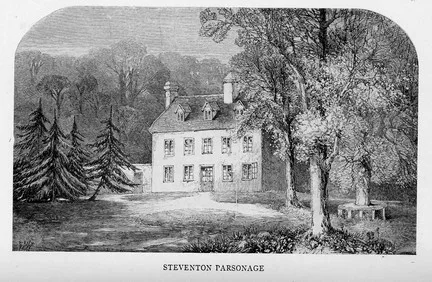
Jane Austen was born on 16 December 1775 at the rectory in Steventon, a small village in north Hampshire, where her father was the parish priest. She arrived later than her parents expected, in a winter so hard that she was baptised privately at home the next day. Her father wrote to a relation that the family had “another girl, a present plaything for her sister Cassy and a future companion”, and so it proved.
Every December readers mark her birthday: December 2025 was the 250th anniversary, and 16 December 2026 is her 251st. Book clubs read her novels’ opening chapters aloud, Austen societies hold teas and readings, and many people simply start a reread. The house where she wrote at Chawton, now Jane Austen’s House museum, is the place most associated with her; check its own calendar for what it is planning this year.
Childhood at Steventon and the Austen family
The Austens were a large, clever, close family of modest means. George Austen supplemented his income by farming and by taking in boys as boarding pupils, so the rectory was always busy and always full of books. Jane read widely in her father’s library, and the family put on plays in the barn at Christmas.
| Born | Name | What became of them |
|---|---|---|
| 1765 | James | Clergyman; succeeded his father at Steventon |
| 1766 | George | Disabled; lived away from the family with carers |
| 1767 | Edward | Adopted by rich relatives, the Knights; inherited Godmersham in Kent and Chawton in Hampshire |
| 1771 | Henry | Banker, later a clergyman; handled her publishers |
| 1773 | Cassandra | Her only sister and lifelong companion; never married |
| 1774 | Francis (Frank) | Naval officer; rose to Admiral of the Fleet |
| 1775 | Jane | Novelist |
| 1779 | Charles | Naval officer; rose to rear admiral |
Two brothers in the navy gave her the sailors of Mansfield Park and Persuasion; Edward’s good fortune gave her a home in her last years. Her schooling was short: a few months with a tutor in Oxford and Southampton in 1783, where she and Cassandra caught typhus, and about a year at the Abbey House School in Reading in 1785–86. The rest of her education was the rectory.
Early writing: from the juvenilia to First Impressions
From about the age of eleven she wrote comic pieces to make her family laugh, later copied into three notebooks she called Volume the First, Second and Third: parodies of the sentimental novels of the day such as Love and Freindship (her own spelling). In her early twenties she drafted the first versions of three novels: Elinor and Marianne (later Sense and Sensibility), First Impressions (1796–97, later Pride and Prejudice) and Susan (later Northanger Abbey).
Her father offered First Impressions to a London publisher in 1797, who turned it down without reading it. Susan was sold in 1803 for ten pounds to a publisher who never brought it out. It would be another eight years before anything she wrote reached print.
Bath, Southampton and Chawton
In 1801 her parents retired to Bath, taking their daughters with them. The family legend is that Jane fainted at the news; whether or not that is true, she wrote little there. In December 1802, staying with friends, she accepted a proposal from Harris Bigg-Wither, the wealthy younger brother of her hosts, and withdrew her acceptance the next morning. She never married.
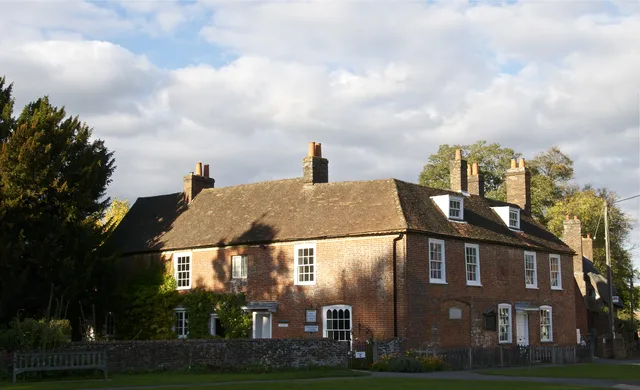
Her father died in Bath in January 1805, leaving his widow and daughters dependent on the brothers. They moved between lodgings and relatives, and in 1806 settled in Southampton with Frank and his wife. Then in 1809 Edward offered them a cottage in the village of Chawton, on his Hampshire estate. It was the settled home she needed, and the most productive years of her life began.
The six novels, and how they were published
At Chawton she revised her early drafts and wrote three new novels, working at a small table in the family sitting room. Henry acted as her agent. None of her books carried her name: Sense and Sensibility was published “By a Lady”, and each later title “By the Author of” the earlier ones.
| Novel | Published | Publisher |
|---|---|---|
| Sense and Sensibility | October 1811 | Thomas Egerton, at her own risk |
| Pride and Prejudice | 28 January 1813 | Thomas Egerton, who bought the copyright for £110 |
| Mansfield Park | May 1814 | Thomas Egerton |
| Emma | December 1815 (title page 1816) | John Murray; dedicated to the Prince Regent |
| Northanger Abbey and Persuasion | December 1817 (title page 1818), after her death | John Murray, with a memoir by Henry naming her for the first time |
When the first copies of Pride and Prejudice arrived she wrote to Cassandra, on 29 January 1813, “I have got my own darling Child from London.” Her advice to her niece Anna, who was writing a novel, describes her own method: “3 or 4 Families in a Country Village is the very thing to work on.” For which to read first, see our guide to Jane Austen’s novels, ranked and in order.
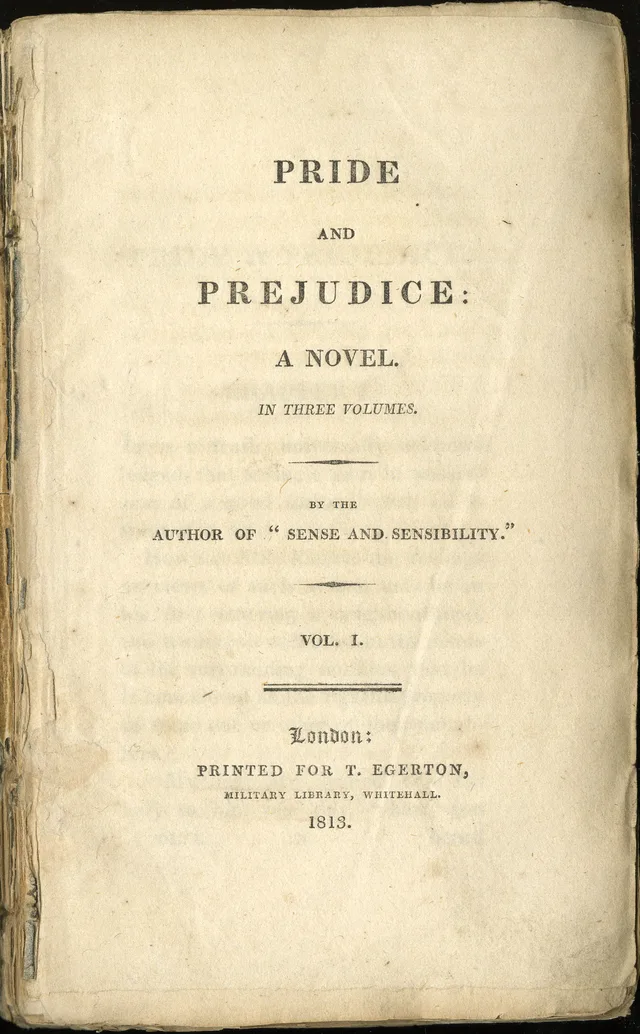
Her reputation spread quickly among readers in the know. The Prince Regent kept a set of her novels in each of his houses, and his librarian invited her to dedicate Emma to him, an invitation she could not refuse.
Cassandra Austen and the letters
Cassandra, two years older, was the person Jane loved best. Both sisters stayed unmarried; Cassandra’s fiancé, Tom Fowle, died of fever in the West Indies in 1797. When they were apart they wrote to each other constantly, and those letters are the main source for Jane’s life: funny, sharp, full of gossip, clothes and family news.
Only about 160 of her letters survive. After Jane’s death Cassandra burned many and cut passages from others, probably to protect private feelings and family matters. What remains still shows the voice of the novels. In a letter to her nephew on her forty-first birthday, 16 December 1816, she described her art as “the little bit (two Inches wide) of Ivory on which I work with so fine a Brush, as produces little effect after much labour”.
Illness and death in Winchester
Early in 1816 her health began to fail. She went on working, finishing Persuasion and starting a new novel, Sanditon, in January 1817, but stopped in March. The cause of her illness is still debated: Addison’s disease and Hodgkin’s lymphoma are the most often suggested, and no diagnosis has been proved.
In May 1817 Cassandra took her to Winchester to be near her physician, to lodgings in College Street. She died there early on 18 July 1817, aged 41, with her head on her sister’s lap. She was buried in Winchester Cathedral on 24 July. Her gravestone praises her sweetness of temper and her faith, and says nothing about her books.
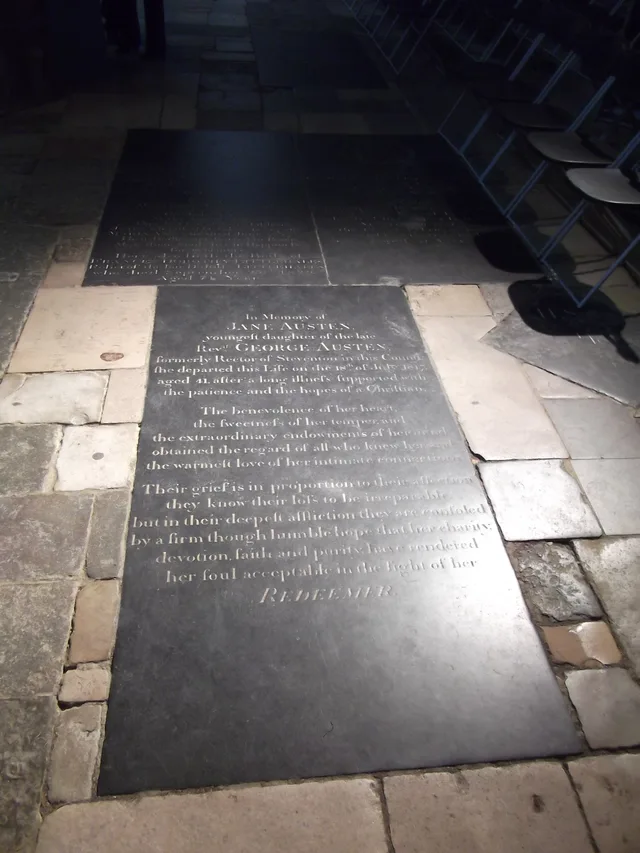
Five months later, Henry’s memoir in the posthumous Northanger Abbey and Persuasion told the public who she was.
What did Jane Austen look like?
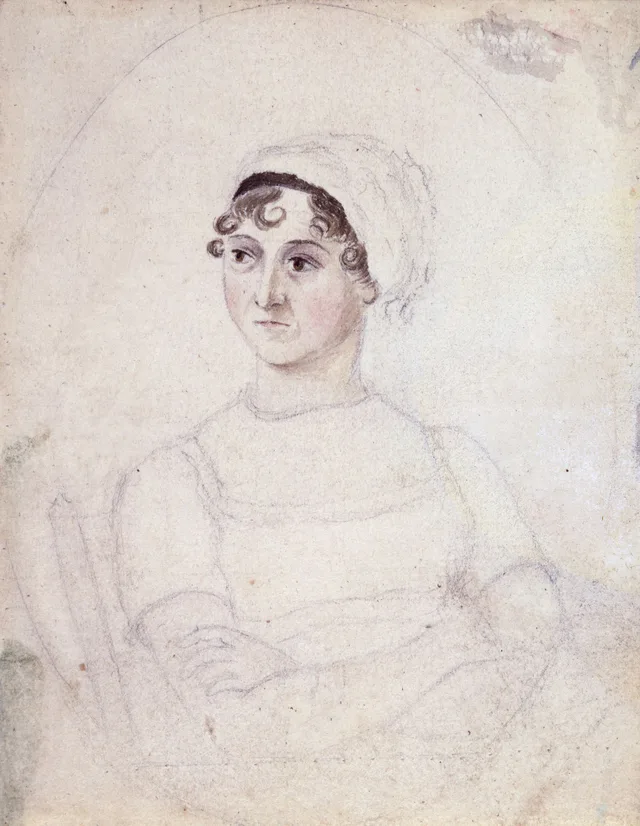
The only portrait of her face that is certainly drawn from life is Cassandra’s small, unfinished pencil and watercolour sketch of about 1810, now in the National Portrait Gallery in London. It shows a round face, bright eyes and curly brown hair under a cap, with arms folded. Family members said it was not a good likeness. The softened engraving made from it for her nephew’s Memoir in 1870 became the image most people know, and an adaptation of it appears on the Bank of England £10 note.
People who knew her described a tall, slender woman with a clear brown complexion, hazel eyes and curly hair, lively in company and fond of dancing. For the clothes she would have worn, see our guide to Regency era fashion.
Jane Austen in the app
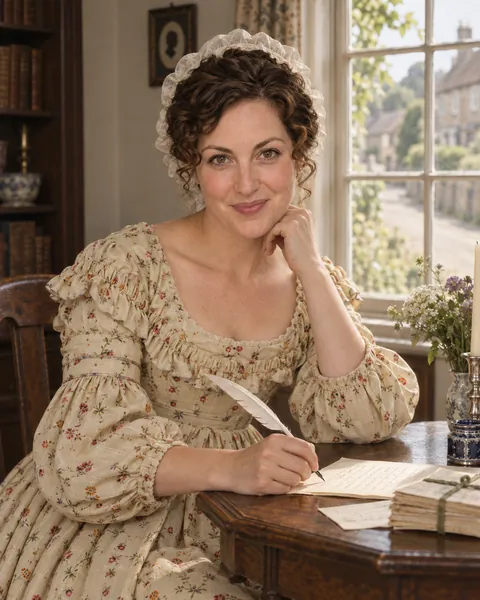
Sit for your portrait as Jane Austen, writing at Chawton. Free to sit.
Your questions
Questions about Jane Austen
Anything else? Write to us at [email protected].
When is Jane Austen’s birthday?
16 December. She was born on 16 December 1775 at Steventon in Hampshire, so 16 December 2026 is her 251st birthday.
How old was Jane Austen when she died?
She was 41. She died in Winchester on 18 July 1817.
What did Jane Austen die of?
No one knows for certain. Addison’s disease and Hodgkin’s lymphoma are the most common suggestions, but neither has been proved.
Did Jane Austen ever marry?
No. In 1802 she accepted a proposal from Harris Bigg-Wither, a wealthy family friend, and withdrew her acceptance the next morning.
How many novels did Jane Austen write?
Six complete novels: Sense and Sensibility, Pride and Prejudice, Mansfield Park, Emma, Northanger Abbey and Persuasion, as well as the unfinished Sanditon and The Watsons, the short novel Lady Susan and her juvenilia.
Where did Jane Austen live?
At Steventon in Hampshire until 1801, then Bath, Southampton and, from 1809, Chawton in Hampshire. She spent her last weeks in Winchester.
Where is Jane Austen buried?
In the north aisle of Winchester Cathedral.
Who was Cassandra Austen?
Jane’s only sister, two years older, her closest companion and the artist of the only portrait of her drawn from life. Their letters are the chief record of Jane’s life.
Keep reading
More from the novels
-
 The best Jane Austen book
All six novels, ranked, with the order they were published
-
 Pride and Prejudice summary
The whole story, in a paragraph and then chapter by chapter
-
 Jane Austen gifts
Seventeen ideas for the Austen reader in your life
-
 Pride and Prejudice quotes
The best lines, word for word, with the chapter and the scene
-
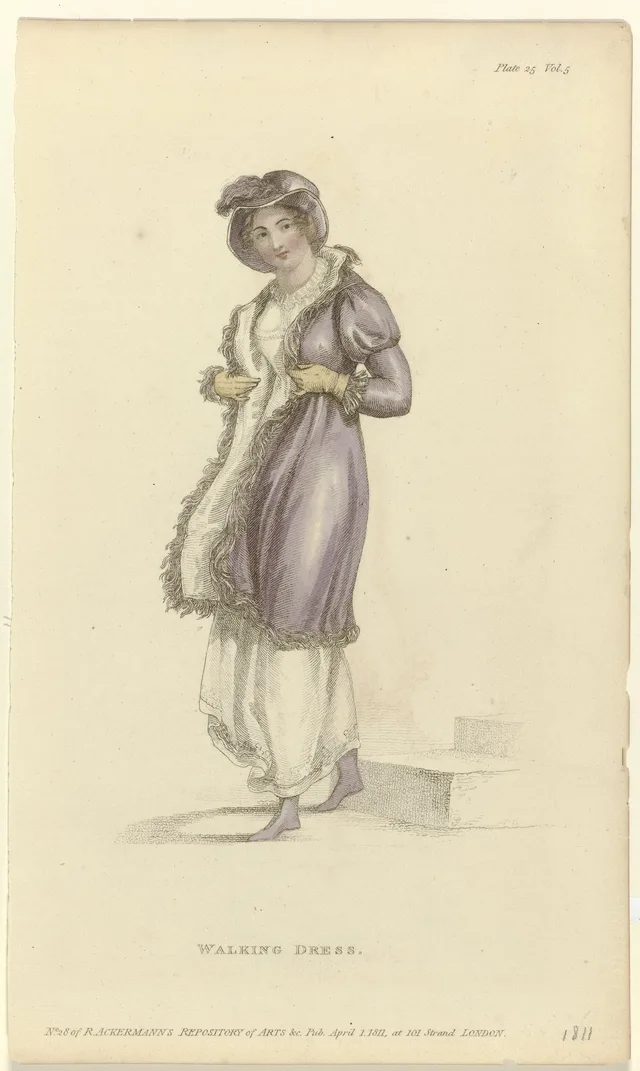 Regency era fashion
What women and men wore in Jane Austen’s England


I have got my own darling Child from London.
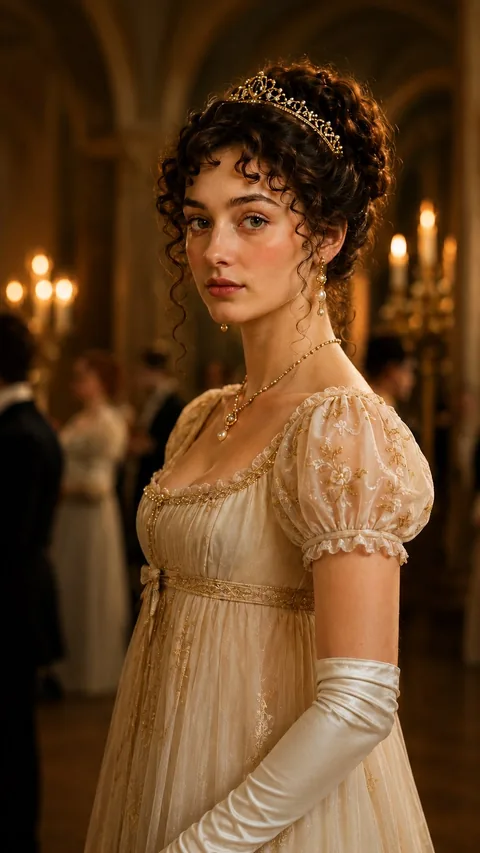
Sit for your portrait as Jane Austen herself, or any of her characters, in Jane Austen Photo Studio for iPhone. Your first three portraits are free.
 Download on theApp Store

On a computer? Scan with your iPhone camera.